The Complete Guide to Keeping Homemade Yogurt in the Right Containers
Proper storage of homemade yogurt is essential for maintaining its taste and nutritional value. Choosing appropriate containers is a key factor in this procedure. Factors such as material, size, and sealing techniques can greatly impact yogurt's freshness. Recognizing these aspects is fundamental for people aiming to improve their homemade yogurt outcomes. However, numerous people ignore typical errors that can cause deterioration. What are these mistakes, and how can they be circumvented?
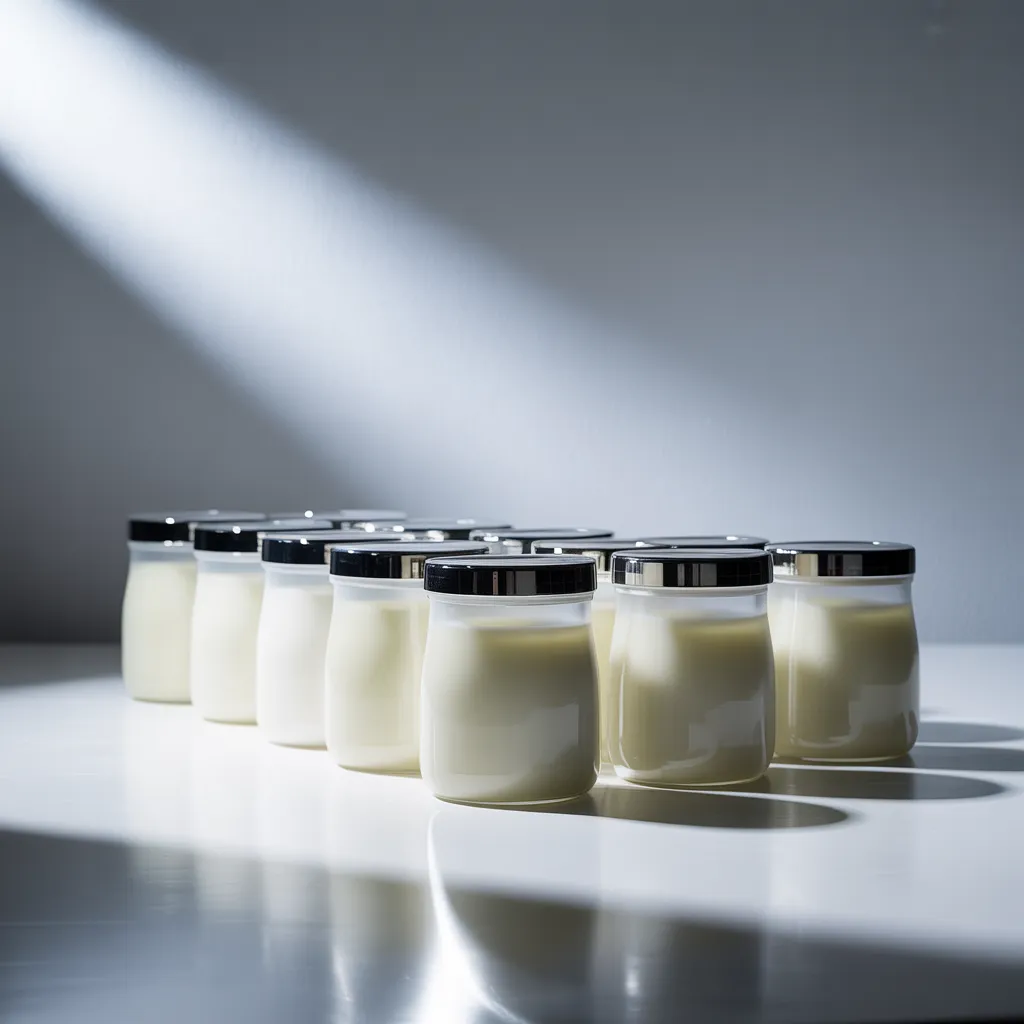
Why Selecting the Proper Container Is Important for Homemade Yogurt
Picking the right container is vital for storing homemade yogurt. The container's structure and material can greatly affect the yogurt's quality and longevity. A suitable container assists in preserving the yogurt's texture, flavor, and nutritional value, preventing contamination and spoilage.
Moreover, the size of the container matters; it should be appropriately sized to reduce air exposure, which can bring about off-flavors and spoilage. Containers that are excessively big may allow excess air inside, while those that are excessively tight may create pressure buildup.
Moreover, ease of access is an important factor. A container that enables straightforward scooping or pouring can foster regular consumption while eliminating mess. Effective sealing mechanisms also play a role in keeping freshness and stopping odors from other foods. Finally, opting for an appropriate container confirms that homemade yogurt remains flavorful and safe to eat for as long as possible.
Top Materials for Yogurt Storage Containers
When choosing containers for yogurt storage, the decision of material plays a vital role in maintaining quality. Glass containers present benefits such as non-reactivity and excellent sealing properties, while plastic containers bring considerations concerning potential chemical leaching and durability. Grasping these factors aids in making well-informed decisions for optimal yogurt preservation.
Benefits of Glass Containers
Glass containers present multiple advantages for keeping homemade yogurt, making them an excellent selection for people who want to preserve quality and flavor. They remain non-reactive, making certain that the yogurt's taste is unaffected by any chemical leaching that can take place with some alternative materials. In addition, glass is non-porous, keeping air and moisture out, therefore increasing the yogurt's shelf life. Glass transparency makes it easy to monitor the yogurt's texture and freshness without having to open the container. Furthermore, glass is sturdy and can be utilized repeatedly, making it an environmentally friendly choice. Finally, many glass containers come with airtight lids, which provide an extra layer of protection against contamination and spoilage, ensuring that homemade yogurt remains fresh and delicious.
Important Plastic Container Points
Plastic containers offer a practical alternative for storing homemade yogurt, especially for those seeking light, flexible alternatives. When choosing plastic containers, it is crucial to evaluate materials that are BPA-free and food-safe. Polyethylene (PE) and polypropylene (PP) are often advised, as they are crack-resistant and long-lasting. These materials are also less chemically reactive than other options, making certain that the yogurt's flavor remains preserved.
Moreover, containers ought to be airtight to ward off contamination and preserve freshness. Clear plastic options provide easy monitoring of the yogurt's condition, while opaque containers can shield against light, which may degrade probiotics. In conclusion, selecting containers that are dishwasher-safe can simplify the cleaning process, making yogurt storage more convenient for home cooks.
Choose the Ideal Container Size and Shape
Choosing the right container size and shape is essential for efficient yogurt storage. Perfect portion sizes can help preserving freshness and minimize waste, while the shape of the container can influence how easily the yogurt can be accessed. Understanding these factors guarantees a practical approach to yogurt preservation.
Optimal Serving Sizes
When choosing container size and shape for keeping homemade yogurt, one should consider not only the quantity of yogurt produced but also the intended consumption frequency. Smaller-sized containers, typically ranging from 4 to 8 ounces, are perfect for people or families who consume yogurt daily. They allow for easy portion control and reduce exposure to air, which can influence freshness. For those who consume yogurt less frequently, larger containers of 16 to 32 ounces may be more convenient, reducing the need for multiple containers. However, larger sizes can lead to increased spoilage if not consumed in a timely manner. Ultimately, choosing the right portion sizes can enhance convenience while maintaining yogurt quality over time.
Container Shape Factors
Container shape plays a crucial role in yogurt storage and can impact both preservation and usability. Containers featuring wide openings enable better access for scooping, while those with a narrow opening may further information be more appropriate for minimizing exposure to air. Tall containers help preserve the yogurt's consistency by reducing surface area, which limits oxidation. Furthermore, the choice between round and square containers can influence storage efficiency within a refrigerator. Round containers often fit neatly into corners, while square containers can maximize space when stacked. Finally, choosing the appropriate shape relies on personal preferences for accessibility and the refrigerator layout, ensuring that homemade yogurt remains fresh and ready for consumption.
Proper Sealing Approaches for Keeping Yogurt
Sealing homemade yogurt properly is essential for preserving its freshness and avoiding contamination. The selection of container plays a vital role in this process. Airtight containers, ideally glass or BPA-free plastic, are advised for proper sealing. Before sealing, it is essential to confirm that the yogurt is cooled to room temperature, as hot yogurt can generate condensation inside the container, leading to spoilage.
When sealing, users should employ a well-fitting lid to minimize air exposure. Moreover, applying a layer of plastic wrap underneath the lid can provide an extra barrier against air and odors. For substantial batches, separating yogurt into smaller portions can facilitate better sealing and decrease the frequency of exposure to air. Consistently checking for symptoms of spoilage, such as off odors or mold, is essential as well. Effective sealing techniques will help increase the lifespan of homemade yogurt and maintain its flavor and texture.
Tips for Preserving Your Yogurt's Freshness Over Time
To maintain homemade yogurt fresh longer, a number of key practices can be implemented. First, it is crucial to store yogurt in airtight containers to limit exposure to air, which can cause spoilage. Glass or BPA-free plastic containers are recommended, as they do not retain odors or flavors. Additionally, yogurt should be refrigerated promptly after cooling to avoid bacterial growth.
Maintaining a stable temperature is vital; yogurt should be stored at or below 40°F (4°C) to prolong its shelf life. Preventing temperature fluctuations by not constantly opening the refrigerator can further help maintain freshness.
It is also advisable to maintain yogurt away from strong-smelling foods, as it can take in odors. Lastly, labeling containers with the preparation date can help with monitoring freshness, ensuring that the yogurt is consumed during the recommended time frame for ideal taste and quality.
Frequent Errors to Avoid When Storing Yogurt
Although many people believe they are storing yogurt properly, numerous common mistakes can compromise its freshness and quality. One critical error is omitting the use of airtight containers, which can result in exposure to air and bacteria. Additionally, keeping yogurt in the door of the refrigerator is a mistake; the temperature fluctuations there can adversely impact its texture and flavor. Another common oversight is not labeling containers with the date of storage, making it challenging to track freshness. Additionally, using metal containers can result in a reaction that alters the taste, while glass or BPA-free plastic is ideal. In conclusion, exposing yogurt to light by storing it in transparent containers can diminish its quality over time. By avoiding these pitfalls, individuals can make certain their homemade yogurt remains as flavorful and nutritious as possible, extending its shelf life and preserving its unique flavors.
Common Questions
Is Reusing Yogurt Containers for Storage Acceptable?
Indeed, yogurt containers can be reused for storage, given that they are completely cleaned and sterilized. This practice helps minimize waste while enabling convenient storage of different food items or other household essentials.
What Is the Storage Duration for Homemade Yogurt?
When kept refrigerated, homemade yogurt normally lasts for up to fourteen days. It is important to check for signs of spoilage, such as off smells or unusual textures, before consuming it.
Is Glass Better Than Plastic for Yogurt Storage?
For yogurt storage, glass is typically regarded as superior to plastic. It is non-reactive, prevents odors, and maintains temperature stability. Moreover, glass containers are more eco-friendly and maintain their quality through multiple uses.
Can Homemade Yogurt Be Frozen?
Absolutely, you can freeze homemade yogurt. Nonetheless, the freezing process may change its texture, making it more grainy upon thawing. The best use for frozen yogurt is in smoothies or cooking rather than eating it plain.
How Can I Identify Spoiled Yogurt?
To assess if yogurt has deteriorated, it's important to examine for off odors, changes in color, an unusual amount of liquid on top, or visible mold. If you observe any of these signals, discard the yogurt immediately.