Probiotics and Anxiety: Exploring the Gut-Brain Relationship
The connection between gut and brain shows a complex interplay between digestive health and emotional health. Current research shows that the gut microbiome substantially affects mood and anxiety levels. Probiotics, recognized for their role in digestive wellness, may provide a pathway to improved mental states. Understanding how these microorganisms affect emotional regulation could deliver valuable insights into managing anxiety. What specific mechanisms link intestinal health to anxiety relief? The answer may surprise many.
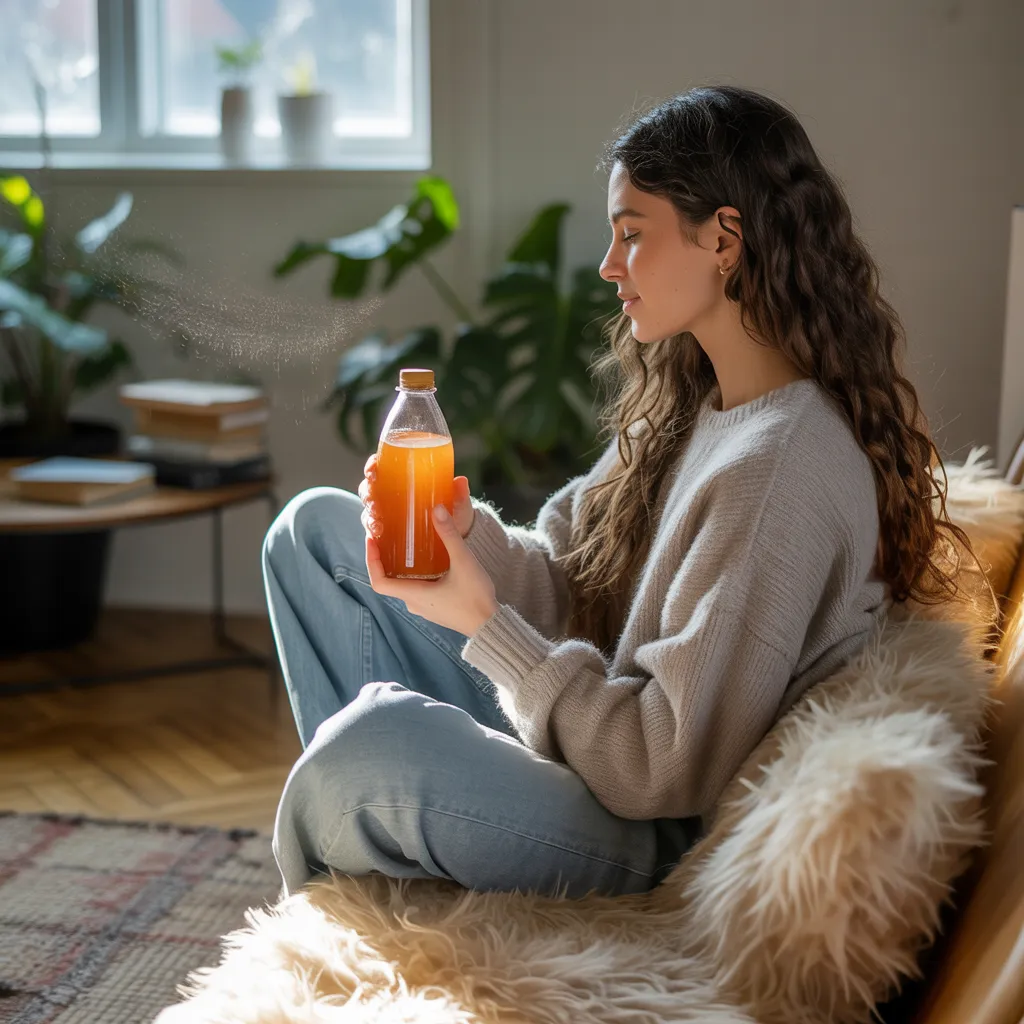
How Does the Gut-Brain Connection Work?
How are connected the gut and the brain? The gut-brain connection is a complex communication network comprising the central nervous system, the enteric nervous system, and the gut microbiota. This complex relationship allows the brain to influence gut function and vice versa. Signals transmit through pathways such as the vagus nerve, which is a key conduit between the two systems.
Furthermore, neurotransmitters produced in the gut, such as serotonin, play a significant role in emotional regulation and overall mental health. The gut microbiome, consisting of trillions of bacteria, affects this connection by producing metabolites that can alter brain function. Modifications to gut flora can bring about altered mood and cognitive functions, demonstrating the importance of gut health. Via these several channels, the gut and brain perpetually interact, building a dynamic relationship that influences both physical and psychological well-being.
How Gut Health Affects Mental Well-Being
The connection between gut health and mental well-being is progressively recognized as an critical component of overall health. Research shows that the gut microbiome, the community of microorganisms residing in the digestive tract, plays a considerable role in regulating mood and emotional responses. A balanced gut microbiome can create neurotransmitters, such as serotonin, which are crucial for mood stability. On the other hand, an imbalance in gut flora may result in increased inflammation and the production of stress hormones, leading to anxiety and depression.
Moreover, the gut-brain axis, a signaling network between the gastrointestinal system and the brain, indicates that gut health impacts cognitive functions and emotional regulation. People with gastrointestinal disorders often experience higher rates of anxiety and depression, emphasizing the necessity of maintaining gut health for mental wellness. As a result, a holistic approach to health should consider the vital relationship between the gut and mental state.
How Probiotics Impact Mental Well-Being
Although numerous individuals associate probiotics predominantly with digestive wellness, their influence on psychological wellness is receiving considerable attention. Studies show that the gut microbiome has a essential role in influencing mood and emotional health. Probiotics, which are helpful bacteria, can assist in stabilizing gut microbiota, potentially causing benefits in mental states such as anxiety and depression.
The gut-brain axis functions as a communication pathway between the intestines and the brain, suggesting that gut health directly affects psychological health. Probiotics may stimulate the production of neurotransmitters like serotonin, which is essential for mood regulation. Additionally, they can modulate inflammation and stress responses, both of which are associated with mental health disorders.
As scientific investigations keep exploring these links, the significance of including probiotics into daily routines becomes progressively apparent for those seeking to enhance their overall mental well-being.
How Could Probiotics Help in Reducing Symptoms of Anxiety?
Studies show that the gut microbiome plays a significant role in regulating mental health and emotions. Probiotics might improve the production of important neurotransmitters, such as serotonin, which are vital for reducing anxiety symptoms. Understanding this connection can provide insights into how dietary interventions might support mental well-being.
Intestinal Microbiome and Emotional Health
Multiple research studies indicate a significant link between the gut microbiome and mood regulation, showing how variations in gut health can modify anxiety levels. The gut microbiome, consisting of trillions of microorganisms, plays an critical role in the creation of metabolites that impact brain function. An imbalance in these microbial communities may cause increased inflammation and altered gut permeability, contributing to anxiety symptoms. Probiotics, which help reinstate gut health, can potentially steady mood by facilitating a balanced microbiome. Through dietary interventions, individuals may see gains in anxiety when beneficial bacteria are introduced, reinforcing the idea that gut health is intimately connected to emotional well-being. This connection reinforces the importance of maintaining a healthy gut to support mental health.
Neurotransmitter Generation Increase
The digestive microbiome holds a vital position in the production of neurotransmitters, which are essential for regulating mood and anxiety. Probiotics, positive bacterial strains contained in certain foods and supplements, have been proven to influence this production. More precisely, they can boost the synthesis of neurotransmitters such as serotonin and gamma-aminobutyric acid (GABA), which are acknowledged to diminish anxiety symptoms. By fostering a healthy balance of gut bacteria, probiotics can support ideal neurotransmitter levels, consequently improving emotional well-being. Research reveals that individuals with a diverse gut microbiome often report decreased levels of anxiety. Therefore, incorporating probiotics into one's diet may serve as a natural method to managing anxiety, emphasizing the sophisticated connection between gut health and mental wellness.
Probiotic Varieties That Support Mental Wellness
Probiotics play an essential role in enhancing mental health, with multiple strains showing unique benefits. Lactobacillus and Bifidobacterium constitute two well-investigated genera associated with enhanced mood and decreased anxiety. Lactobacillus rhamnosus, specifically, has demonstrated promise in reducing stress-related behaviors in animal studies, implying its potential for human applications. Bifidobacterium longum may enhance cognitive function and emotional regulation, contributing to overall mental wellness.
Another significant strain is Lactobacillus helveticus, which has been connected to lower levels of anxiety and depression in clinical studies. Furthermore, the strain Saccharomyces boulardii, a beneficial yeast, has been linked to gut health and may indirectly promote mental wellness by promoting a balanced gut microbiome. Understanding the specific benefits of these probiotic strains can help individuals in choosing appropriate supplements or foods to enhance mental well-being, highlighting the importance of gut health in overall psychological well-being.
Methods for Adding Probiotics to Your Daily Diet
Incorporating beneficial probiotic strains into one's diet can be a easy process that supports mental health and total well-being. One successful method is to include fermented foods such as yogurt, kefir, sauerkraut, and kimchi, which naturally contain live cultures. These foods can simply be included in daily meals, delivering a tasty way to boost probiotic intake. Additionally, people can consider taking probiotic supplements, which are available in various forms, including capsules and powders, permitting targeted strains to address particular health needs. It is crucial to opt for high-quality products with adequate CFU (colony-forming units) to guarantee effectiveness. Slowly building up the intake of these foods or supplements can help the body adjust and enhance benefits without discomfort. Finally, a regular approach to adding probiotics can support gut health and, as a result, mental well-being.
Other Holistic Solutions for Anxiousness
What are the ways people can successfully address anxiety using natural solutions? Various options exist that may deliver relief without the negative effects often linked to pharmaceuticals. Plant-based remedies, for example chamomile, lavender, and valerian root, are commonly acknowledged for their calming properties. These herbs can be taken in the form of teas, tinctures, or capsules. Conscious practices, comprising meditation and yoga, have likewise achieved popularity for their power to minimize stress and promote emotional balance.
Moreover, regular physical activity is an excellent method to reduce anxiety, as exercise releases endorphins that elevate mood. Nutritional modifications can make a difference too; incorporating omega-3 fatty acids found in fish, nuts, and seeds may support mental health. In conclusion, securing adequate sleep is essential, as inadequate sleep can worsen anxiety symptoms. By adopting these natural remedies, individuals may find a holistic approach to managing their anxiety more effectively.
Popular Questions
Are Probiotics a True Alternative to Anxiety Medications?
Probiotics can't entirely take the place of anxiety medications, as they may support mental health. However, they should complement conventional treatments rather than serve as a substitute, emphasizing the importance of a thorough approach to managing anxiety.
Do Probiotics Have Any Side Effects?
Probiotics could cause mild side effects, including bloating, gas, or gastrointestinal discomfort, particularly during early stages of use. Most people experience no issues, but those with chronic health conditions should consult a healthcare provider before starting.
What's the Timeframe for Probiotics to Take Effect?
Probiotics commonly require one to three weeks to display noticeable effects, varying with the user's health condition, the specific probiotic strain, and dosage. Consistent consumption is necessary for realizing maximum benefits over time.
Can Dietary Changes Alone Boost Gut Health and Mental Well-Being?
Diet on its own can notably improve gut wellness and mental health. Nutrient-packed foods, roughage, and fermented goods stimulate beneficial gut bacteria, which subsequently can improve psychological state and cognitive abilities, promoting total mental well-being.
Do All Probiotic Strains Have Identical Effects on Anxiety?
Different probiotics have varying effects on anxiety. Individual strains can interact with gut microbiota variably, impacting neurotransmitter synthesis and explore article overall mental wellness. Personal responses to probiotics may vary significantly depending on individual health conditions.